_Featured Image.jpg)
What is Corporate Website Development? (With Real Examples)
Welcome to the digital age, where your corporate website is often the first impression potential clients and customers get of your brand. Think of it as your digital storefront — a place where first impressions are made and relationships are built.
In a world where online interactions are the norm, understanding corporate website development is essential for any business aiming to thrive.
So, what exactly is this buzzworthy term? Corporate website development is all about crafting a comprehensive online presence that embodies your company’s values, goals, and unique offerings. It’s the art and science of combining stunning visuals with powerful functionality to engage visitors and convert them into loyal customers.
But wait, there's more! In this blog, we'll explore the ins and outs of corporate website design and development, break down the elements involved, and guide you in choosing the right corporate website development company for your needs.
And yes, we’ll even tackle the important question of corporate website development cost — because who doesn’t love a good budgeting tip?
Why is Corporate Website Development Important?
In today’s fast-paced digital world, having a strong online presence is crucial for businesses of all sizes. Here are some compelling reasons why corporate website development should be at the top of your to-do list:
1. First Impressions Matter
Your website is often the first point of contact between your business and potential customers. A well-designed site creates a positive impression, signaling that you’re professional, trustworthy, and ready to meet their needs.Conversely, a poorly designed website can turn visitors away faster than you can say '404 Error.'2. Builds Credibility and Trust
 A professional-looking website helps establish your brand’s credibility. According to studies, over 75% of users judge a company's credibility based on its website design. Customers who see a polished, well-structured site are more likely to trust your brand and engage with your content. This is where choosing the right corporate website development company can make a significant difference!
3. Enhances User Experience
A key component of corporate website design and development is user experience (UX). A well-thought-out UX ensures that visitors can easily navigate your site, find the information they need, and take action — be it making a purchase, signing up for a newsletter, or contacting you for more information.A smooth experience keeps users engaged and encourages them to return.4. Supports Marketing Efforts
 Your corporate website is a vital part of your marketing strategy. It can be optimized for search engines (SEO) to increase visibility and attract organic traffic. Plus, it can host valuable content, such as blogs, case studies, and whitepapers, that position your company as an industry leader.When integrated with social media and email marketing, your website becomes a powerhouse for lead generation.
5. Adaptability and Scalability
As your business grows, your website needs to evolve with it. A well-developed corporate website allows for easy updates, new features, and scalability to accommodate increasing traffic and changing business needs.This means investing in a solid corporate website development strategy pays off in the long run.Key Components of Corporate Website Development
Understanding the core components of corporate website development is crucial for creating a site that meets your business objectives and provides value to your visitors. Here’s a detailed breakdown of the essential elements you should consider:
1. Planning and Strategy
The first step in any successful corporate website development project is thorough planning. This isn’t just a box to check — it's where your vision takes shape!- Define Your Audience: Knowing your target audience allows you to tailor your website to their preferences and needs. Create user personas representing your ideal customers, including their demographics, interests, and pain points.
- Set Clear Goals: What do you want your website to achieve? Whether it's generating leads, showcasing your portfolio, or facilitating online sales, having specific, measurable goals will guide your design and content decisions.
- Competitive Analysis: Investigate what your competitors are doing well and where they fall short. This insight can inform your strategy and help you carve out a unique niche in your market.
2. User-Centric Design
 In the world of corporate website design and development, user experience is paramount. Your website should not only look good but also be functional and user-friendly.
- Visual Hierarchy: Use design elements to guide visitors’ attention to the most important parts of your site. Key elements like CTAs, headlines, and images could be placed in this way through size, color, and placement.
- Intuitive Navigation: Users should be able to find what they need without frustration. Implement clear, logical navigation menus that make it easy for visitors to browse your site. Consider using breadcrumbs and search functionality to enhance usability.
- Engaging Visuals: Incorporate high-quality images, videos, and graphics that reflect your brand and resonate with your audience. Avoid generic stock photos; instead, opt for original images that tell your brand’s story.
3. Responsive Design
In today’s mobile-first world, responsive design is non-negotiable.- Fluid Layouts: Your website should adapt smoothly to various screen sizes and orientations. This ensures that users have a consistent experience whether they’re on a smartphone, tablet, or desktop.
- Touch-Friendly Elements: Make sure buttons and links are easily tappable for mobile users. This enhances usability and minimizes frustration, leading to higher engagement and conversions.
- Testing Across Devices: Regularly test your website on different devices and browsers to ensure compatibility. A responsive design improves user experience and boosts your search engine ranking, as Google prioritizes mobile-friendly sites.
4. Content Creation
Content is king! High-quality, relevant content informs your visitors and helps establish your brand as an authority in your industry.- Compelling Copywriting: Use clear, concise, and persuasive language that speaks directly to your audience’s needs. Avoid jargon and overly complex phrases; aim for a conversational tone that feels approachable.
- Regularly Updated Blogs: Establishing a blog on your corporate website allows you to share valuable insights, industry news, and updates. This helps with SEO, keeps your audience engaged, and encourages repeat visits.
- Diverse Content Types: Mix things up with different types of content—infographics, videos, case studies, and testimonials. This variety caters to different learning styles and keeps your content fresh and engaging.
5. Functionality and Features
Depending on your business needs, your corporate website might require specific functionalities, such as:- E-commerce Capabilities: If you sell products or services online, your website should support secure transactions, user accounts, and product catalogs. This feature is critical for businesses expanding their reach and driving sales.
- Contact Forms and Live Chat: Make it easy for visitors to contact you. Implement contact forms, live chat features, or chatbot functionalities to facilitate communication and capture leads.
- Integration with Other Tools: Consider how your website can work with other systems, such as Customer Relationship Management (CRM) software, email marketing platforms, and analytics tools. This integration helps streamline processes and enhance your overall marketing strategy.
6. SEO Optimization
Incorporating SEO best practices during development is essential to ensure your website ranks well on search engines.- Keyword Research: Identify relevant keywords that potential customers are searching for. Incorporate these naturally throughout your website’s content, including in titles, headings, and meta descriptions.
- Technical SEO: Ensure that your website is technically sound by optimizing page load speed, using proper URL structures, and implementing XML sitemaps. This improves your site’s crawlability and user experience.
- Content Marketing: Create shareable content that boosts your SEO and establishes your brand as an authority. This can lead to backlinks from other sites, further enhancing your search engine visibility.
7. Testing and Launch
Before launching your site, thorough testing is a must.- Functional Testing: Ensure that all links work, forms are functional, and all interactive elements function correctly. This includes checking for mobile compatibility and browser compatibility.
- Usability Testing: Gather feedback from real users to identify any pain points in navigation, content, or functionality. This can help refine the user experience before launch.
- Launch Strategy: Plan your launch carefully. Promote your website on social media, through email marketing, and other channels to maximize visibility. Consider a soft launch to a smaller audience first, allowing you to iron out any last-minute issues.
Choosing the Right Corporate Website Development Company
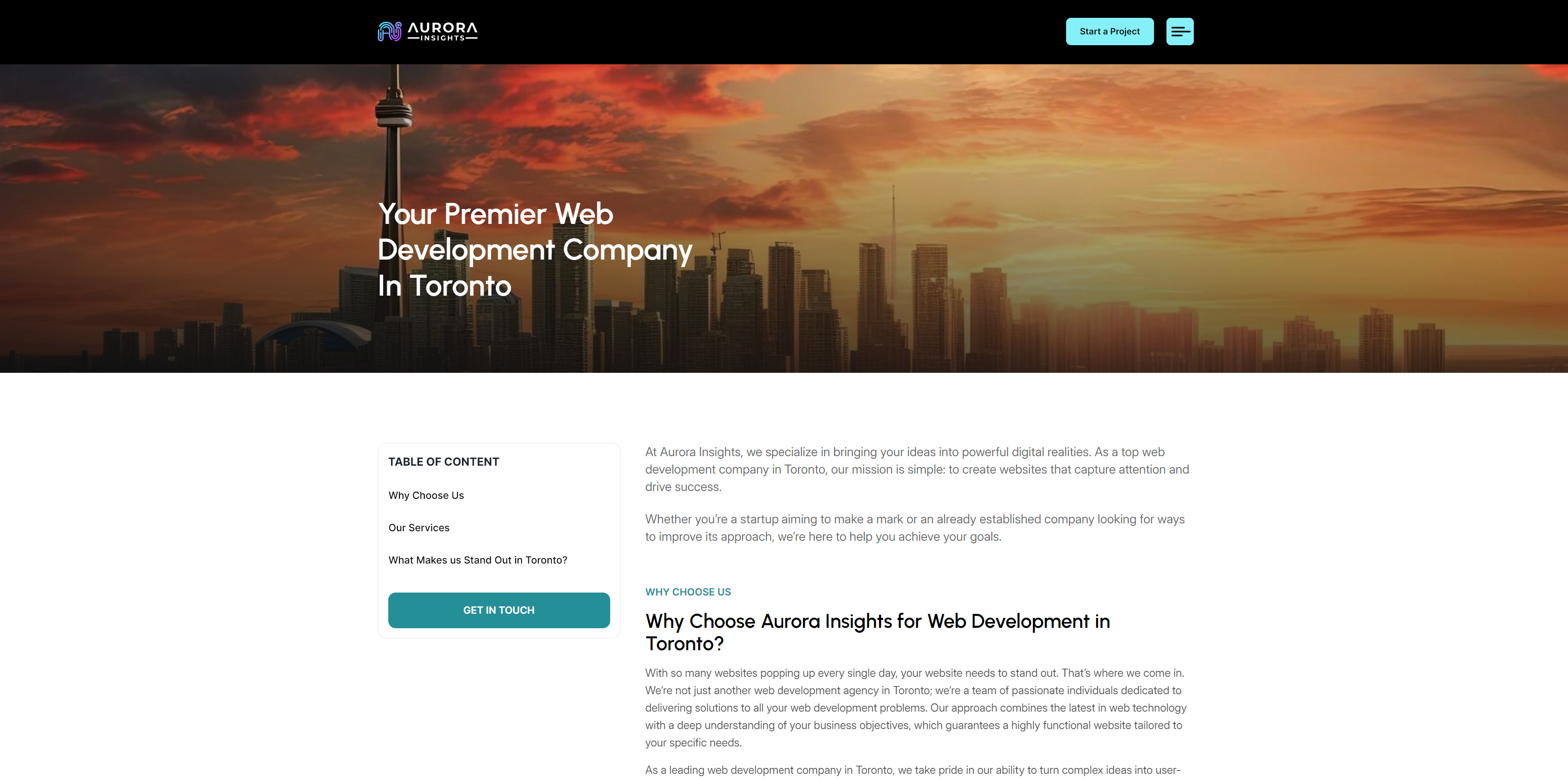
Finding the perfect corporate website development company can feel like searching for a needle in a haystack, but it’s one of the most crucial decisions you'll make in your website's journey. The right partner can make all the difference, making your vision a reality.
Here are some key factors to consider when making your choice:
1. Portfolio and Experience
Start by examining the company’s portfolio. Look for examples of past projects that align with your vision and industry.- Diversity of Work: A good corporate website development company should showcase diverse projects. This indicates their versatility and ability to adapt to different styles, functionalities, and industries.
- Case Studies: If available, review detailed case studies that outline the challenges faced, solutions implemented, and results achieved. This will give you insight into their problem-solving skills and effectiveness.
2. Technical Expertise
In the world of corporate website design and development, technical proficiency is non-negotiable.- Skill Set: Ensure the team has expertise in various areas, such as front-end and back-end development, UX/UI design, SEO, and content management systems (CMS). This breadth of knowledge ensures a well-rounded approach to your project.
- Familiarity with Technologies: Ask about the technologies they use and whether they have experience with the tools you prefer. This might include programming languages, frameworks, or specific CMS platforms like WordPress or Shopify.
3. Client Testimonials and Reviews
Don’t just take their word for it; seek feedback from their previous clients.- Reviews and Ratings: Look for online reviews, ratings, and testimonials. Pay attention to both positive and negative feedback to gauge overall client satisfaction.
- References: Consider asking for references from past clients. A reputable company should be willing to provide this information and allow you to speak with their previous customers about their experience.
4. Communication and Collaboration
Effective communication is key to a successful partnership.- Initial Conversations: Pay attention to how they communicate during your initial discussions. Are they responsive? Do they listen to your ideas and provide constructive feedback? This sets the tone for the rest of your collaboration.
- Project Management: Inquire about their project management process. How do they handle updates, deadlines, and feedback? A transparent process with regular check-ins can help keep your project on track.
5. Post-Launch Support
Website development doesn’t end at launch; ongoing support is essential.- Maintenance and Updates: Ask about their maintenance packages. Will they assist with regular updates, security monitoring, and troubleshooting post-launch? This support can save you a lot of headaches down the road.
- Training and Resources: Check if they provide training for your team on managing the website. Knowledge transfer ensures you can make updates and handle minor issues independently.
6. Budget and Cost Transparency
Understanding the corporate website development cost is crucial for staying within budget.- Detailed Proposals: Request detailed proposals that outline costs associated with each stage of the project. This should include design, development, testing, and any ongoing maintenance fees.
- Value for Money: While going with the lowest bid is tempting, remember that quality matters. Consider the overall value — are you getting a website that meets your needs and goals? Sometimes, investing a bit more upfront can save you money in the long run.
Common Challenges in Corporate Website Development and How to Overcome Them
Even with a solid plan and the right corporate website development company by your side, challenges can arise during the development process. Here are some common hurdles you might encounter and strategies to navigate them effectively:
1. Scope Creep
Scope creep refers to the gradual expansion of project requirements beyond the initial agreement. This can lead to budget overruns and project delays.Solution: Clearly define your project scope from the beginning. In your contract, outline specific deliverables, timelines, and budget constraints. Regularly revisit this document throughout the project to keep everyone aligned.2. Communication Breakdown
Poor communication can lead to misunderstandings, missed deadlines, and frustration on both sides.Solution: Establish a communication plan outlining how and when to share updates. Schedule regular check-ins and status meetings to ensure everyone is on the same page. Encourage open dialogue and feedback to address issues promptly.3. Budget Constraints
Budgeting for a corporate website can be tricky, especially if unexpected costs arise.Solution: Include a buffer in your budget for unforeseen expenses. Additionally, request detailed cost breakdowns from your corporate website development company to understand where your money is going. This transparency helps you make informed decisions about any adjustments you need.4. Balancing Design and Functionality
Striking the right balance between aesthetics and functionality can be challenging. A beautifully designed site may lack the necessary features, while a highly functional site might sacrifice visual appeal.Solution: Collaborate closely with your design and development teams to prioritize both aspects. Encourage them to work together from the outset, integrating design and functionality into a cohesive plan.5. Integration with Existing Systems
Compatibility with current systems can be a significant hurdle when updating an existing website or integrating new features.Solution: Conduct a thorough analysis of your existing systems and identify potential integration issues early in the project. Work closely with your corporate website development company to create a plan that minimizes disruptions and ensures a smooth transition.6. Keeping Up with Trends
The digital landscape constantly evolves, with new trends and technologies emerging regularly. Keeping your website up-to-date can be overwhelming.Solution: Stay informed about industry trends and best practices. Regularly review your website’s performance and user feedback to identify areas for improvement. Don’t hesitate to seek advice from your development team on necessary updates or enhancements.7. Ensuring Security
With increasing cyber threats, securing your corporate website is more important than ever.Solution: Prioritize security during development by implementing SSL certificates, secure payment gateways, and regular security updates. Discuss your security needs with your corporate website development company to ensure they have protocols in place to protect your site and user data.Real-World Examples of Successful Corporate Website Development
To truly understand the impact of corporate website development, let’s explore a few exemplary cases that showcase how effective website design and development can elevate a brand's online presence.
1. Apple
Apple’s website is a prime example of effective corporate website design and development. It features:- Clean Aesthetics: The design is minimalist, allowing products to take center stage. High-quality images and videos showcase their products in action, creating an emotional connection with users.
- Intuitive Navigation: Clear menus and search functionality help visitors easily find information on products, services, and support.
- Responsive Design: The site performs seamlessly across devices, ensuring a consistent experience whether accessed via desktop or mobile.
Apple's website is a benchmark for corporate sites because it combines stunning visuals, user-friendly design, and effective functionality.2. Dropbox
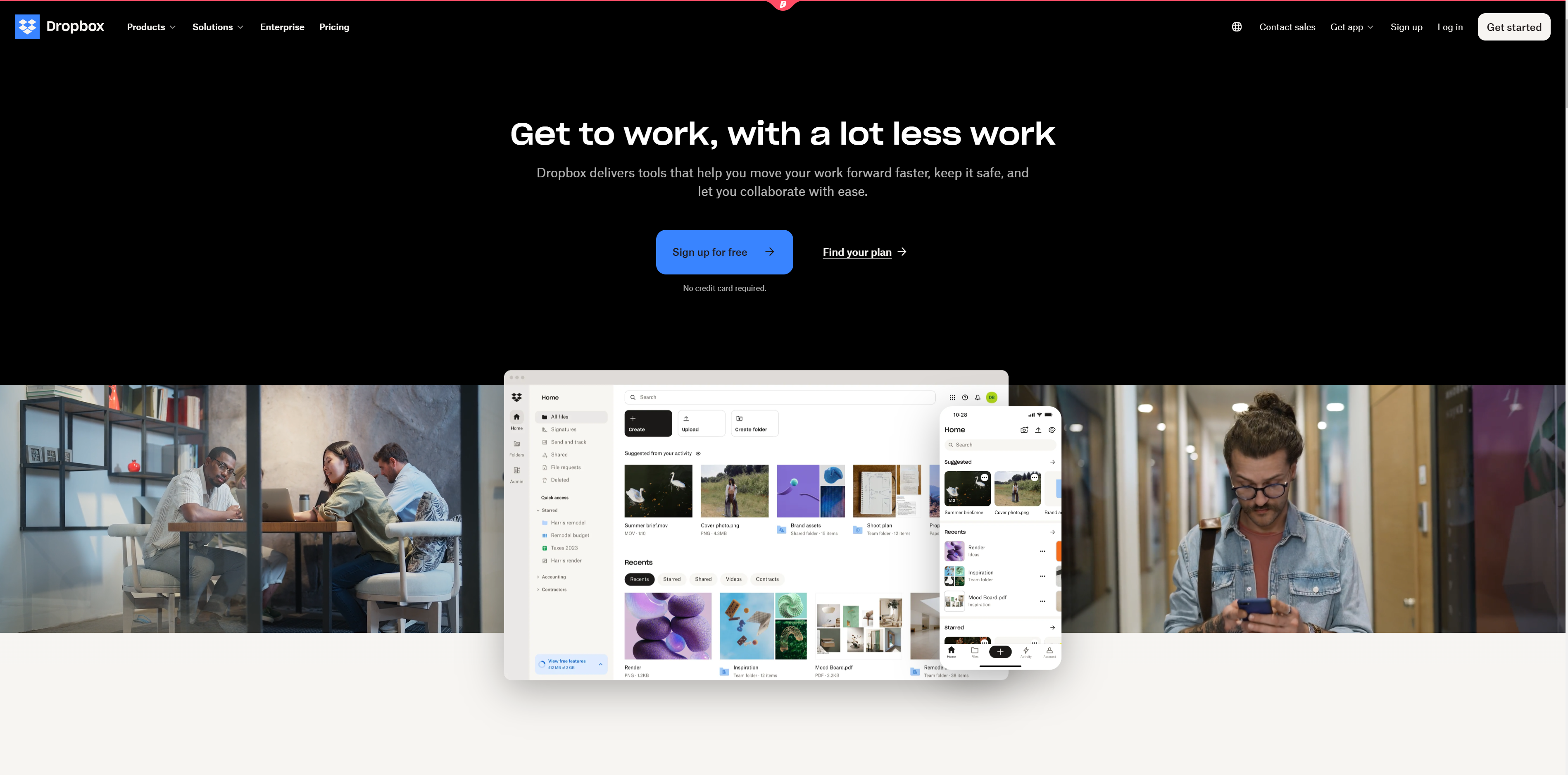 Dropbox has transformed its corporate website into a powerful marketing tool. Here’s what stands out:
- Clear Messaging: The homepage delivers a concise value proposition, explaining Dropbox and its benefits without overwhelming users with information.
- Engaging Content: Using illustrations and animations keeps visitors engaged while effectively communicating the product’s features.
- Strong CTAs: Dropbox strategically places clear calls to action, guiding users toward signing up for its services or learning more about specific features.
This approach not only drives conversions but also reinforces Dropbox's identity as a user-friendly solution for cloud storage.3. Airbnb
Airbnb’s website excels in user-centric design, making it easy for users to find and book accommodations.Key features include:- Personalized User Experience: The site uses algorithms to recommend listings based on user preferences, past searches, and locations, enhancing the overall user experience.
- Rich Visual Content: High-quality images of properties paired with detailed descriptions create a vivid picture for potential guests, making the experience more enticing.
- Community Engagement: The website features user-generated content, such as reviews and ratings, which builds trust and fosters community among users.
Airbnb’s focus on personalization and user engagement sets a standard for how corporate website development can drive business success.4. Nike
Nike's corporate website is a masterclass in branding and functionality:- Strong Brand Identity: The website communicates Nike's brand ethos through bold visuals and compelling storytelling.
- E-commerce Integration: Users can seamlessly browse products, customize items, and complete purchases, all while enjoying a visually immersive experience.
- Interactive Features: Nike employs interactive elements, like videos and quizzes, to engage users and enhance their experience on the site.
This strategic integration of e-commerce and brand storytelling demonstrates how a well-developed corporate website can strengthen customer loyalty and drive sales.5. HubSpot
As a leading marketing software provider, HubSpot's website exemplifies excellent content marketing strategies:- Educational Resources: HubSpot provides a wealth of resources, including blogs, eBooks, and webinars, positioning itself as an authority in the marketing field.
- Lead Generation: The website effectively captures leads through gated content, encouraging visitors to provide information in exchange for valuable resources.
- User-Friendly Design: The clean layout and straightforward navigation make it easy for users to find relevant information quickly.
HubSpot’s website successfully integrates education and lead generation, making it a powerful tool for attracting and nurturing potential customers.Your Path to Successful Corporate Website Development
Corporate website development is about crafting a compelling digital experience that resonates with your audience and drives business success. By understanding the essential components — from planning and design to functionality and SEO — you can ensure your website becomes a powerful tool for engaging customers and achieving your business objectives.Choosing the right corporate website development company is crucial to navigating the complexities of the development process. By considering factors such as experience, communication, and technical expertise, you can find a partner that aligns with your vision and helps bring your ideas to life.If you want expert guidance in corporate website development, consider partnering with Aurora Insights. Our team specializes in crafting tailor-made solutions that elevate your brand and ensure your website stands out in the crowded digital marketplace. Let us help you create an engaging online presence that drives results and fosters lasting connections with your audience.